Suspected Ebola case under investigation in Israel
Israel’s Health Ministry reported on the evening of November 24 that a person developed symptoms raising suspicion of Ebola after returning from the Democratic Republic of the Congo. This is only a suspected case; the required examinations and tests have yet to be completed.
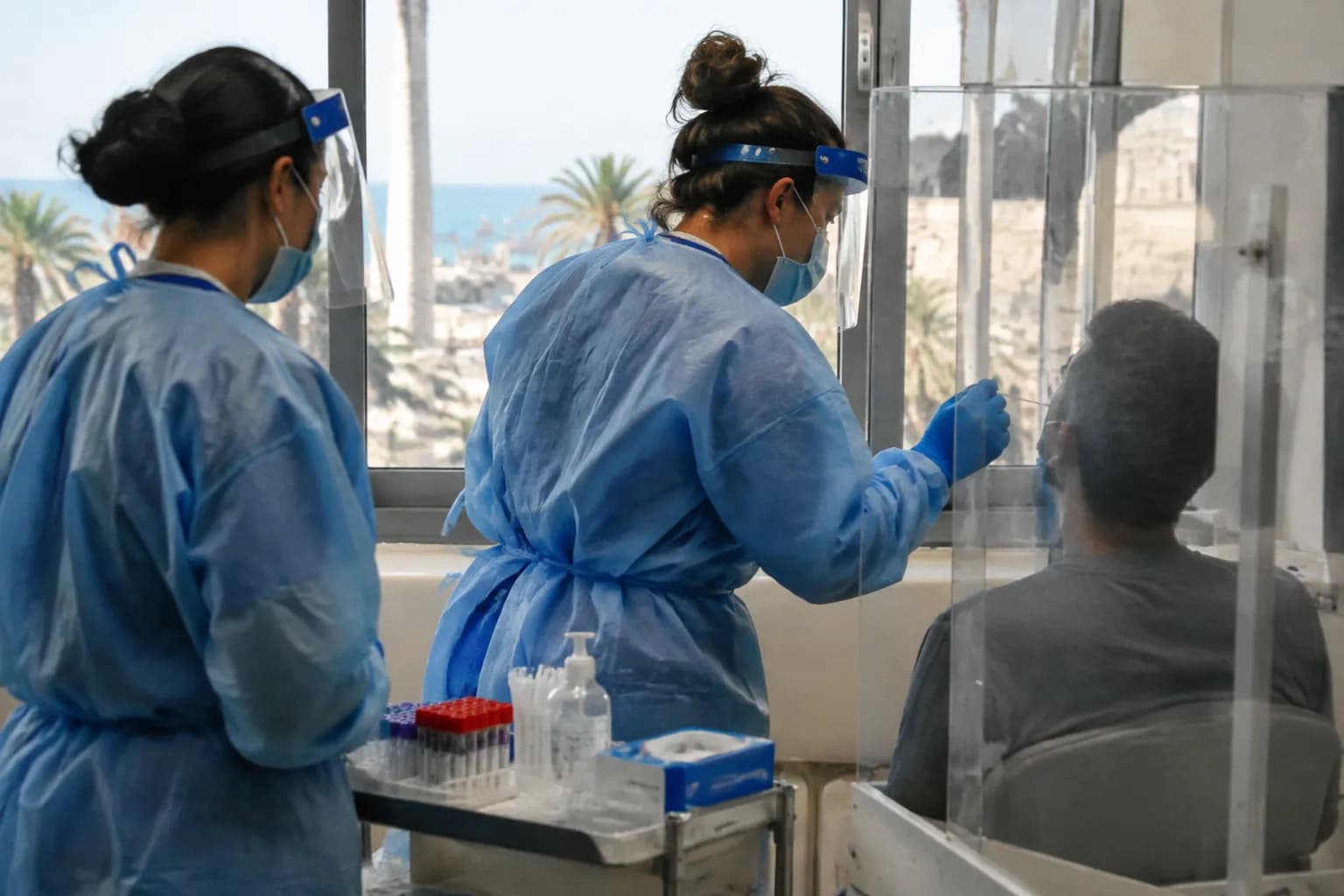
The person was referred for monitoring, examination and treatment under isolation at Ichilov Medical Center. The hospital has been designated as a specialist centre for receiving people suspected of having high-risk infectious diseases. The Health Ministry will conduct an epidemiological investigation to identify people who may have been in contact with the patient. Anyone who is not contacted by the ministry does not need to take any action at this stage.
The ministry reminds the public that Ebola is transmitted through direct contact with a sick person showing symptoms, as well as with the blood, body fluids or secretions of patients or people who have died, contaminated objects, or infected animals. A series of laboratory tests will be conducted to investigate the suspected infection, in accordance with medical protocols accepted in Israel and internationally.
Since the Ebola outbreak began in the Democratic Republic of the Congo, the ministry has continuously monitored developments worldwide and prepared the health system for possible scenarios. Professional instructions have been distributed to medical teams and relevant hospitals. Mechanisms have also been established for early detection among travellers returning from affected areas, along with a laboratory system for identifying Ebola.
The Health Ministry advises against travel to the affected provinces of the Democratic Republic of the Congo: Ituri, North Kivu, South Kivu, Haut-Uélé, Tshopo, Bas-Uélé, Sud-Ubangi and Nord-Ubangi. Non-essential travel to other parts of the country should also be postponed. The ministry recommends avoiding unnecessary travel to neighbouring countries: Uganda, South Sudan, the Central African Republic, Rwanda, Burundi, Tanzania, Zambia, Angola and the Republic of the Congo. Travellers planning to visit Kenya or Nigeria are advised to consider whether the trip is necessary.
Anyone travelling to the countries listed should take the precautions specified by the Health Ministry, follow guidance from local health authorities and obtain individual advice at a travel clinic before departure. The ministry stressed that no confirmed Ebola case has been identified in Israel. It will continue to update the public and medical teams as needed.
What to know
- Anyone returning from the Democratic Republic of the Congo who develops a fever above 38°C or unusual symptoms within 21 days of their stay should remain at home and avoid contact with others.
- Call the Health Ministry’s Kol HaBriut hotline at *5400 and tell them about your stay in the Democratic Republic of the Congo.
- Do not go to a medical facility without prior coordination.
- If the Health Ministry has not contacted you, no action is required at this stage.
- Before travelling to the listed countries, check local health authority guidance, take precautions and consult a travel clinic. Those planning to visit Kenya or Nigeria should consider whether the trip is necessary.